
A compelling amenity package creates the vision, the picture of what life could look like in a building. It's what draws residents in, what sparks the "I could see myself here" moment during a tour. That aspirational pull isn't going anywhere, and it shouldn't. It's fundamental to how we lease and how we differentiate.
But the conversation around amenities is evolving, and what's shifting is worth paying attention to. The next competitive era of multifamily housing will not be defined by who offers the most amenities, but by who designs them most thoughtfully. Residents are looking for buildings that deliver on the lifestyle promise and then back it up with daily experiences that feel considered, functional, and worth the renewal.
The opportunity in front of all of us, developers, owners, property managers, and designers, is to invest in lifestyle appeal while getting smarter about how a building performs after the lease is signed. Let's come out of the gate strong with the visual wow, but then deliver operationally sound, well thought out, and retention-increasing apartment buildings.
The Wow and the Way It Works
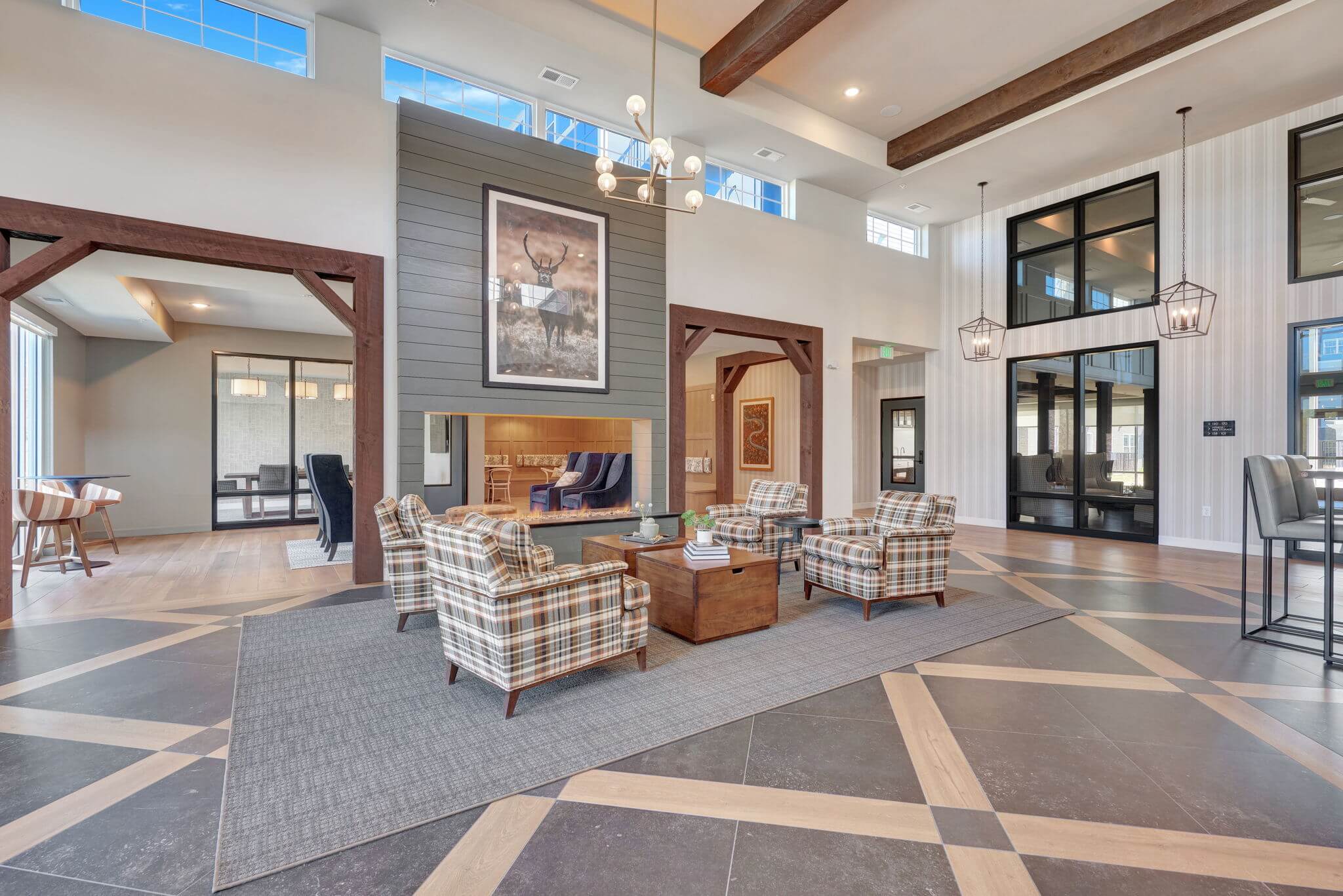 Lochner Apartments - White Bear Lake, MN
There are really two experiences happening in every building. The first is the initial impression, the wow. What does it feel like to walk in for the first time? What's the story the building tells about the life a resident could have here? That story still needs to be bold, aspirational, and beautifully executed. It's the reason someone signs a lease.
The second experience is what happens on a Tuesday. How does the building function when nobody's giving a tour? Is the package system keeping pace? Are the amenities actually being used, or are they sitting empty because they were designed for photos rather than for people? Does the unit support the way someone really lives, whether that's working from home, cooking dinner, or winding down?
Prospective renters are already starting to test this before they sign. A 2024 NMHC study found that 46% of renters check their mobile connection during a tour, and 47% want to connect to the property's Wi-Fi before making a decision. They're not just looking at finishes. They're evaluating whether the building actually works.
The buildings that are creating the strongest resident loyalty right now are the ones where both experiences work in harmony.
"The amenity package creates the vision, and the thoughtful design delivers on it every single day."
Joyce StupnikThoughtful Amenities, Not Fewer Amenities
The shift we're seeing isn't away from amenities. What we're seeing across the market is a move toward more intentional ones. Residents still want the engaging golf simulator, the hotel-like pool deck, the entertainment spaces to host friends. However, they also want those spaces to genuinely support their lives, not just photograph well. They're drawn to buildings that help them decompress from overstimulating days, support their personal development, and remove the small pain points that quietly erode satisfaction.
Then in practice, how does this translate to what amenities should be included in your building? Although there is no one-size-fits-all answer, this looks like more variety in amenity offerings, but often in smaller, more purposeful footprints. Some strong examples of how we translate resident demographics, needs, and desires into intentional amenities are:
- Work-from-home spaces designed around acoustics, not just aesthetics.
- Wellness that extends beyond the fitness room into contrast therapy options and spaces designed for calm and recovery.
- Multiple social areas with different offerings depending on the group size, dynamic, and time of day.
- Smaller scale rooms that take the energy down for movie watching, plant havens, or individual activities.
This is the approach we took on a recent project in White Bear Lake, where we designed the amenity clubhouse as a central connector between two residential wings. Rather than one large multipurpose room, we zoned the space into distinct areas: a golf simulator with an adjacent game room, a gourmet kitchen, co-working café, and quieter zones for individual activities. Each area was sized and programmed for a different group dynamic and time of day. The amenity package was designed to do more than photograph well on a tour; it was built to get used.
It's also the approach we're bringing to Fernbrook, a project currently in design. The amenity program offers range without redundancy: a solarium for natural light and decompression, co-working spaces built for real productivity, an entertainment suite and club room for social gatherings of different scales, and a wellness experience with sauna and cold plunge for physical recovery. Each space was designed to serve a distinct role in residents' lives, creating variety that feels intentional rather than excessive.
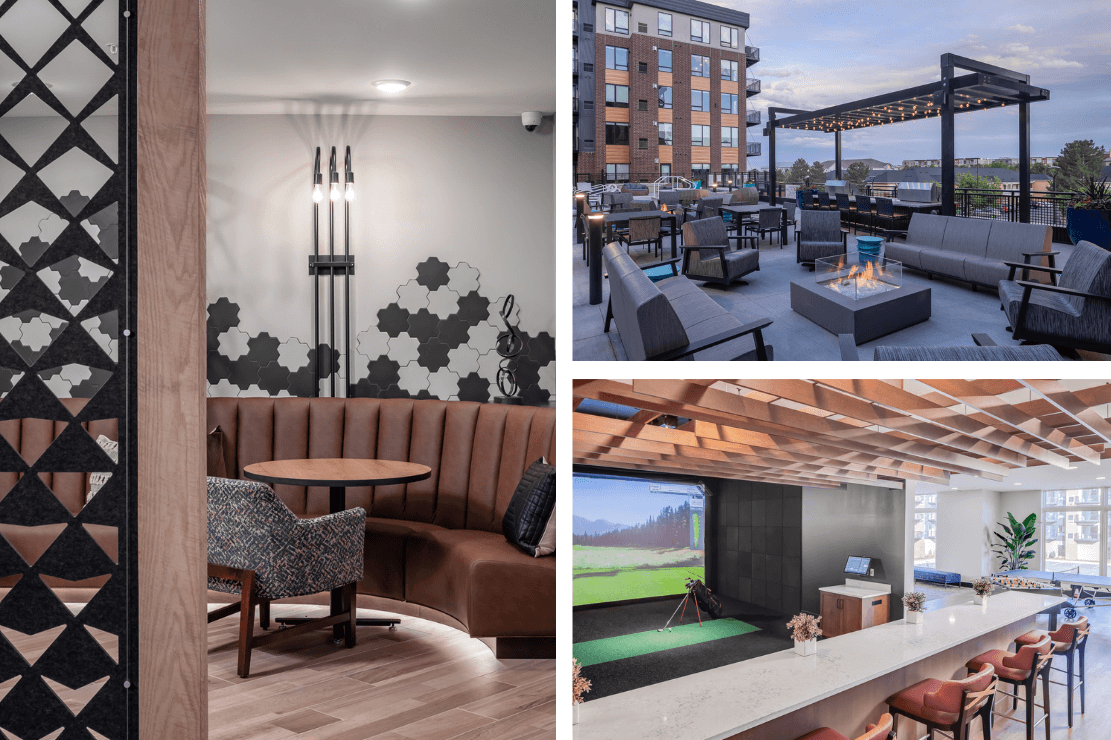 Vue at Bluestone - Duluth, MN | Lyra Apartments - Centennial, CO | The Ruby - Minneapolis, MN
"The goal isn't to do less. It's to design with more intention, so every square foot earns its place in the resident experience."
Joyce StupnikWhere Friction Quietly Lives
One of the things we think about often in our work is where friction hides in a building, and it's almost never in the obvious places.
Take materials and finishes. There's always a push toward what's new, and we welcome that. Innovation is part of what keeps this work interesting. But we've found that innovation is most valuable when it comes with a proven track record. The moment finishes begin to fail or become difficult to maintain, the resident's perception of quality shifts, and that perception matters as much as the design itself. Balancing innovation with durability, and design ambition with the realities of maintenance staffing, is one of the most important conversations we navigate alongside our clients.
But friction lives beyond the finishes. It lives in the transitions between public and private spaces, in corridor lighting that feels more institutional than welcoming, in circulation paths that create bottlenecks during peak hours, in package rooms that were never sized for the volume of deliveries residents actually receive. They're small, accumulating moments, and they shape how a resident feels about their home every single day.
They rarely generate formal complaints, but they absolutely influence renewal decisions.
Many of these friction points can be addressed in the design process, long before they become operational issues. When we're planning layouts around real traffic patterns, thinking about wayfinding that feels intuitive, and selecting materials based on how they'll age rather than how they look on install day, we're designing for the building's long-term performance. Not just its first impression. Friction creates frustration, and frustration erodes a resident's perception of quality, even in a building that is a Class A shining star.
The financial case for getting this right is just as clear as the experiential one.
Zego, 2025 Resident Experience Management Report
Zego, 2025 Resident Experience Management Report
IREM, 2024 Operating Data
The design decisions that reduce friction don't just improve resident experience, they directly protect NOI.
The Unit Deserves the Same Attention
Shared amenities create the lifestyle vision. But the unit is where that vision becomes daily reality. It's understandable that shared spaces receive outsized design focus; they're the first thing a prospective resident sees on a tour and the easiest to showcase in marketing. But the unit is where someone actually lives, and that daily experience is what drives the renewal decision.
Residents will often forgive a more modest footprint if the unit works thoughtfully. Storage that makes sense. A kitchen where function was clearly prioritized. Lighting and electrical systems that support work-from-home life. Acoustic privacy that allows someone to find calm after an overstimulating day.
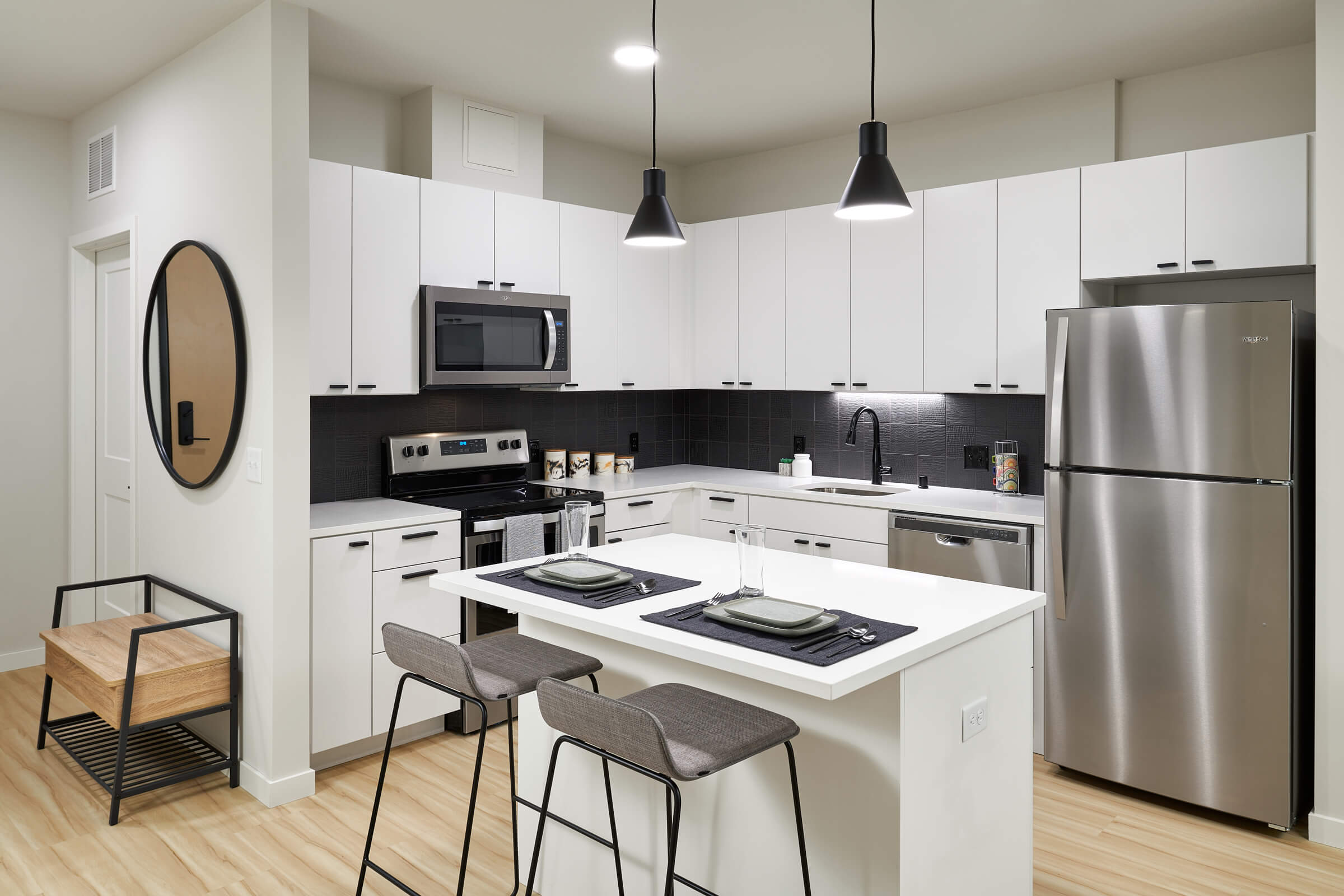 Irvine Exchange | St. Paul, MN
When we give the unit the same design intentionality we give the amenity spaces, it strengthens the entire building's value proposition.
"The wow gets people in the door. The unit keeps them there."
Joyce StupnikThe New Standard
The amenity conversation is evolving from "how much can we offer?" to "how well can we design it?" It's a shift that benefits everyone: residents who get buildings that genuinely support their lives, owners who see stronger retention and long-term value, and the teams who manage these communities every day.
This isn't a conversation about doing less. It's a conversation about designing with more clarity, more purpose, and a deeper understanding of how residents actually experience the buildings we create. The wow still matters. The lifestyle vision still matters. What's changing is the recognition that those things alone aren't enough to sustain loyalty and long-term value. When we pair that aspirational design with a deep understanding of resident, developer, and property manager needs, we raise the bar for what multifamily housing can be.
Some of our strongest work has come from designing alongside property managers who bring real operational perspective to the process. They know what holds up, what gets used, and what creates headaches at 3 a.m. That collaboration between design vision and operational reality is where the aspirational and the functional stop competing and start working together. It's one of the most valuable conversations we have on any project.
If you're developing or renovating multifamily housing and looking for a design partner who cares as much about how a building performs in year three as how it looks on day one, we'd welcome the conversation.
Let's TalkNMHC + Grace Hill, 2024 Renter Preferences Survey Report (172,703 verified renters). Wi-Fi and mobile touring behavior data.
Zego, 2025 Resident Experience Management Report. Turnover cost ($4,000/unit) and retention rate (63%).
IREM, Income/Expense IQ: Multifamily Communities, 2024 Operating Data. Repairs and maintenance average ($919/unit).